

For athletes and active individuals, a nagging tendon or ligament injury can feel like a permanent roadblock to the activities they love. Fortunately, advanced regenerative therapies offer a way to repair tissue and restore function. Let’s explore how PRP and regenerative options provide targeted relief.
The Science Behind Platelet-Rich Plasma (PRP)
Platelet-Rich Plasma, or PRP therapy, is a revolutionary treatment that utilizes a concentrated dose of your own blood platelets to jumpstart healing. Platelets are naturally rich in growth factors, proteins that act as chemical messengers to signal tissue repair. By isolating these platelets and re-injecting them into the site of an injury, we can deliver a high-potency boost directly to damaged tendons, ligaments, or cartilage.
Common Sports Injuries Treated with PRP
Regenerative medicine is highly versatile and can be used to treat a variety of common orthopedic issues seen in both professional athletes and weekend warriors:
- Chronic Tendonitis: Often used for Tennis Elbow, Golfer’s Elbow, and jumper's knee.
- Ligament Sprains: Accelerating the recovery of partially torn MCLs or ankle ligaments.
- Rotator Cuff Tears: Supporting the repair of small or partial tears in the shoulder.
- Osteoarthritis: Reducing inflammation and improving joint lubrication in the knee or hip.
Why Choose Regenerative Options?
The primary draw of regenerative medicine is that it offers a middle ground between conservative rest and ice protocols and invasive surgical procedures. Because PRP uses your own biological material, the risk of an allergic reaction or rejection is virtually zero.
Furthermore, unlike corticosteroid injections, which temporarily mask inflammation and can potentially weaken tendons over time, PRP aims to fundamentally improve the health of the tissue. This results in a more durable recovery that stands up to the rigors of athletic performance.
What to Expect During the Procedure
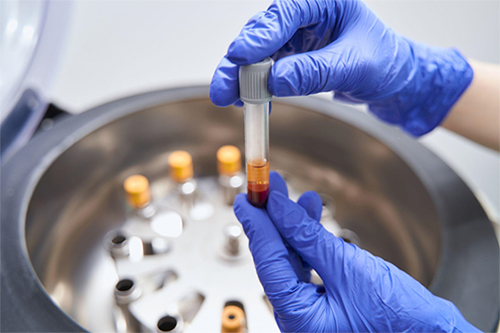
A PRP session is a straightforward, in-office procedure that typically takes less than an hour. It begins with a standard blood draw, followed by a centrifugation process that separates the platelets from other blood components.
While some patients experience mild soreness for a few days as the inflammatory healing response begins, most return to light activity shortly after. The full benefits of tissue regeneration typically manifest over the following weeks as the growth factors go to work.
Your Path to Optimized Recovery
Modern regenerative medicine represents a significant shift in how we approach sports injuries, focusing on long-term tissue health rather than temporary symptom management. By leveraging the body’s own biological resources, treatments like PRP offer a sophisticated path toward recovery that aligns with the demands of an active lifestyle. Prioritizing these advanced options ensures that persistent injuries are addressed at their source, allowing for a more resilient return to peak physical performance.
Frequently Asked Questions About PRP and Regenerative Therapy
What is PRP therapy?
Platelet-Rich Plasma (PRP) therapy uses a concentrated portion of your own blood that contains platelets and growth factors. These components help stimulate tissue repair and support the body’s natural healing process when injected into an injured area.
How long does it take for PRP to work?
PRP does not provide instant relief like a cortisone injection. Mild soreness is common initially as healing begins. Most patients notice gradual improvement over several weeks, with continued progress over two to three months.
Is PRP safe?
Because PRP uses your own blood, the risk of allergic reaction or rejection is extremely low. As with any injection, there is a small risk of infection or temporary discomfort at the injection site.
How many PRP treatments will I need?
Some patients improve after a single injection, while others may benefit from a series of treatments depending on the severity and chronicity of the injury. Your physician will tailor a plan based on your condition and goals.
Is PRP better than cortisone injections?
PRP and cortisone serve different purposes. Cortisone reduces inflammation quickly but may not improve tissue quality long term. PRP aims to promote healing at the cellular level, which may provide more durable results in certain tendon and ligament injuries.
What conditions respond best to PRP?
PRP is commonly used for chronic tendon injuries (such as tennis elbow or jumper’s knee), partial ligament tears, mild to moderate osteoarthritis, and certain rotator cuff conditions.
Will insurance cover PRP?
Many insurance plans consider PRP investigational and may not cover it. Coverage varies, so it’s important to verify benefits with your provider prior to treatment.
When can I return to sports after PRP?
Return-to-play timelines vary depending on the injury treated. Light activity may resume shortly after the procedure, but structured rehabilitation is typically recommended to optimize healing and prevent re-injury.
Reference Links:
- Platelet-rich plasma in orthopaedic sports medicine: state of the art - ScienceDirect
- Platelet-Rich Plasma Therapy for Rotator Cuff Injuries: A Comprehensive Review of Current Evidence and Future Directions - PubMed Central
AUTHOR: James Kerpsack, MD – Fellowship-Trained Pediatric Orthopedic Surgeon James Kerpsack, MD is a fellowship-trained pediatric orthopedic surgeon specializing in pediatric and adult orthopedic surgery and sports medicine at Palm Beach Orthopaedic Institute. He treats a broad range of bone and joint conditions in both children and adults, with a particular passion for caring for young athletes. Dr. Kerpsack is committed to helping patients return safely to the activities and sports they love.
Credentials & Recognition
Dr. Kerpsack has been practicing orthopedic surgery since 2004 and joined Palm Beach Orthopaedic Institute in August 2018 after serving with Community Physician Network in Indianapolis.
He currently serves as the Team Orthopedic Surgeon for Atlantic High School, providing dedicated sports injury care to student-athletes. His experience in both pediatric and adult orthopedics allows him to deliver comprehensive care tailored to each stage of growth and activity level.
Clinical Expertise
Dr. Kerpsack specializes in pediatric orthopedic surgery and adult sports medicine, treating fractures, ligament injuries, growth-related conditions, and overuse injuries in athletes of all ages. Because pediatric sports medicine is an evolving specialty, he places strong emphasis on involving parents in the decision-making process to ensure families understand both surgical and non-surgical treatment options.
He is dedicated to patient education, taking the time to thoroughly explain diagnoses and personalized treatment plans. His goal is to keep patients active, healthy, and safely participating in their chosen sports whenever possible. Dr. Kerpsack finds the greatest reward in watching his patients recover, regain strength, and return to their normal lives.
Medical Disclaimer: This information is for educational purposes only and does not constitute medical advice. For diagnosis and treatment recommendations, please consult with Dr. Kerpsack or another qualified orthopedic specialist.


