

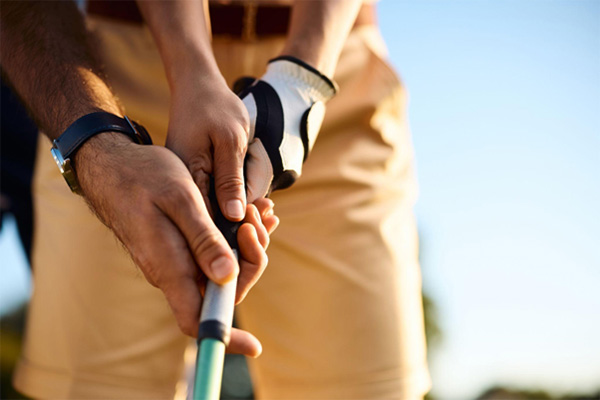
You line up your shot, take a confident swing, and feel a sharp pain shoot along the thumb side of your wrist. At first, it seems like a minor strain, but by the back nine, gripping the club, opening a water bottle, or even texting becomes uncomfortable. Thumb and wrist pain is a common complaint among golfers, and one often overlooked cause is De Quervain's tenosynovitis. Here is what every golfer should know about this painful condition.
Why Golf Can Trigger De Quervain's Tenosynovitis
De Quervain's tenosynovitis is an overuse injury affecting the tendons that control thumb movement as they pass through a narrow tunnel on the thumb side of the wrist. Repetitive gripping and twisting motions can irritate these tendons, causing inflammation and thickening of the surrounding tendon sheath.
Golf places repeated stress on this area throughout the swing. Every drive, chip, and putt requires coordinated wrist and thumb motion, while gripping the club tightly increases the load on these tendons. Players who spend extra hours on the driving range, make sudden swing changes, or return to golf after a long break may be especially susceptible.
Although golfers commonly develop this condition, it can also affect tennis players, pickleball enthusiasts, gardeners, mechanics, and anyone performing repetitive hand activities.
Recognizing the Symptoms Before They Worsen
Early symptoms often develop gradually. Many golfers notice soreness near the base of the thumb after a round before the discomfort begins appearing during everyday activities.
Common symptoms include:
- Pain along the thumb side of the wrist
- Swelling near the base of the thumb
- Pain when gripping a golf club or shaking hands
- Difficulty lifting objects or opening jars
- A catching or snapping sensation during thumb movement
As inflammation progresses, even simple tasks such as buttoning clothing or turning a doorknob may become painful.
How Hand Specialists Diagnose De Quervain's Tenosynovitis
An experienced hand and wrist specialist can often diagnose De Quervain's tenosynovitis through a physical examination and discussion of symptoms. One commonly used maneuver is the Finkelstein test, which gently stretches the affected tendons and reproduces the characteristic pain.
Imaging studies are not always necessary but may be recommended to rule out arthritis, fractures, ligament injuries, or other conditions that can mimic thumb pain. Practices with comprehensive orthopedic services can also coordinate imaging and consultation when multiple structures may be contributing to symptoms.
Treatment Options That Help You Return to Golf
Fortunately, most patients improve without surgery when treatment begins early.
Conservative treatment often includes activity modification, temporary splinting of the thumb and wrist, anti-inflammatory medications, and hand therapy exercises designed to reduce tendon irritation while restoring strength and flexibility. Adjusting golf grip technique or equipment may also reduce repetitive stress during the swing.
For persistent symptoms, a corticosteroid injection into the tendon sheath can significantly reduce inflammation and provide lasting relief for many patients.
When symptoms continue despite appropriate conservative care, surgical release may be recommended. This outpatient procedure creates additional space around the affected tendons, allowing them to glide normally without painful friction. Most patients gradually return to sports after rehabilitation and healing.
Preventing Thumb Injuries During Golf Season
While no overuse injury is completely preventable, several simple strategies may reduce your risk.
Warm up before every round with gentle wrist and forearm stretches. Avoid gripping the club tighter than necessary, especially during practice sessions. Build up practice volume gradually instead of hitting hundreds of balls after weeks away from the course. Strengthening the forearm and hand muscles can also improve endurance and reduce stress on the tendons.
Persistent thumb pain should never be ignored simply because it seems minor. Early evaluation often prevents a manageable tendon problem from becoming a prolonged interruption to your golf season.
Whether symptoms arise from golf, tennis, work, or everyday activities, fellowship-trained orthopedic hand specialists can determine the underlying cause and develop a treatment plan that matches your goals and activity level.
Frequently Asked Questions
- Can De Quervain's tenosynovitis heal on its own?
Mild cases may improve with rest and activity modification, but persistent symptoms often require medical treatment to fully resolve. - Is thumb pain after golf always De Quervain's tenosynovitis?
No. Thumb pain may also result from arthritis, ligament injuries, tendon tears, fractures, or nerve compression. A proper evaluation helps identify the exact cause. - Can I continue golfing if my wrist hurts?
Continuing to play through significant pain may worsen tendon irritation. Taking a temporary break and seeking evaluation is often the safest approach. - How long does recovery usually take?
Many patients improve within several weeks with conservative treatment, while surgical recovery generally allows a gradual return to activities over the following weeks to months. - When should I see a hand specialist for thumb pain?
If pain lasts longer than a few weeks, limits your grip strength, interferes with daily activities, or continues to worsen despite rest, it is time for an orthopedic evaluation.
Thumb pain may seem like a small inconvenience, but it can quickly affect both your golf game and everyday function. Early diagnosis and appropriate treatment often lead to faster recovery and help prevent long-term tendon problems. If thumb or wrist pain has been keeping you off the course, consulting an orthopedic hand specialist can help you get back to playing comfortably.
Reference Links:
- De Quervain tenosynovitis - Mayo Clinic
- De Quervain Tenosynovitis - National Library of Medicine
AUTHOR: Dr. Andrew Seltzer, DO – Board-Certified Orthopedic Hand, Wrist & Upper Extremity Surgeon
Andrew Seltzer, DO is a board-certified orthopedic surgeon with fellowship training in hand, wrist, and upper extremity surgery. He has practiced orthopedic surgery in Palm Beach County since 1989, providing comprehensive care for conditions affecting the hand, wrist, elbow, knee, ankle, and other musculoskeletal injuries. Dr. Seltzer specializes in fracture management, arthroscopic surgery, joint reconstruction, and both surgical and non-surgical treatment options designed to restore function and improve quality of life.
Credentials & Recognition
Dr. Seltzer earned his Doctor of Osteopathic Medicine degree and completed his orthopedic surgery training at the University of Southern California (USC), where he also completed fellowship training in hand and upper extremity surgery. His advanced training included visiting residencies in total joint surgery at Brigham and Women's Hospital/Harvard Medical School, pediatric orthopedics at Shriners Hospital for Children in Tampa, and orthopedic trauma surgery at USC. He is board certified by the American Osteopathic Board of Orthopedic Surgery and has served as a board certification examiner for the organization. Dr. Seltzer also served as a clinical professor at Nova Southeastern University, where he trained medical students, interns, and orthopedic residents. Throughout his career, he has remained active in hospital leadership, currently serving as Chairman of the Board of Governors at Palm Beach Gardens Medical Center. His dedication to community service has been recognized with the Palm Beach County Legal Aid Society Pro Bono Award and the American Red Cross Hero Award for his volunteer medical mission work in Honduras.
Clinical Expertise
Dr. Seltzer provides specialized care for disorders and injuries of the hand, wrist, and upper extremity, including arthritis, tendon disorders, nerve compression syndromes, fractures, and sports-related injuries. He performs advanced arthroscopic procedures of the wrist, hand, and knee, as well as total knee replacement, total wrist joint replacement, and finger joint replacement surgery. His practice emphasizes individualized treatment plans that combine evidence-based surgical techniques with conservative therapies whenever appropriate, helping patients regain strength, mobility, and function so they can return to work, sports, and daily activities.
Medical Disclaimer: This information is for educational purposes only and does not constitute medical advice. For diagnosis and treatment recommendations, please consult with Dr. Seltzer or another qualified orthopedic specialist.
Content authored by Dr. Andrew Seltzer and verified against official sources.


