

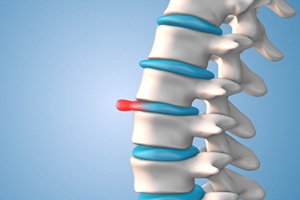

A sudden sharp pain in your neck or back can stop you in your tracks, especially when it radiates down your arm or leg. Often, this discomfort is caused by a herniated disc, one of the most common spine conditions affecting both adults and adolescents. Here’s what you should know about its causes, symptoms, and treatment options.
The Role of Spinal Discs and What Happens When One Herniates
Your spine is made up of individual bones (vertebrae) cushioned by soft, gel-like discs that act as shock absorbers. A herniated disc occurs when one of these discs bulges or ruptures, allowing its inner material to press on nearby nerves. This can cause localized pain or radiating nerve symptoms depending on the location of the herniation, typically in the cervical (neck) or lumbar (lower back) spine.
Everyday Movements That Can Lead to Disc Injury
Herniated discs often result from a combination of age-related wear and physical stress. Contributing factors include:
- Degeneration: Natural aging weakens the disc’s structure.
- Improper lifting: Bending or twisting while carrying heavy items.
- Repetitive strain: Common in athletes or people with physically demanding jobs.
- Injury or trauma: A fall, collision, or sudden impact.
- Genetic predisposition: Family history of spine issues.
Recognizing the Warning Signs of Herniated Discs
The symptoms of a herniated disc depend on the nerve involved but may include:
- Sharp, burning pain in the neck, back, arm, or leg
- Numbness, tingling, or weakness in the limbs
- Difficulty with grip, coordination, or walking
- Pain that worsens when bending, coughing, or sneezing
Severe cases may cause balance problems or loss of bladder and bowel control, requiring immediate medical attention.
Advanced Treatment Options for Herniated Discs
Most herniated discs respond well to non-surgical treatments such as rest, physical therapy, and anti-inflammatory medications that help reduce pain and improve mobility. However, when conservative care does not provide lasting relief or nerve compression becomes severe, surgical intervention may be necessary to restore stability and function.
Procedures such as microdiscectomy use a minimally invasive approach to remove the herniated portion of the disc that is pressing on a nerve. For herniations in the neck, an Anterior Cervical Discectomy and Fusion (ACDF) may be performed to remove the damaged disc and fuse the vertebrae for added support. A laminectomy may also be recommended to remove part of the vertebral bone (lamina) and relieve pressure on the spinal cord or nerves. In cases of significant degeneration or instability, spinal fusion helps stabilize the spine by joining two or more vertebrae. These advanced techniques allow spine surgeons to tailor care based on each patient’s unique anatomy and recovery goals.
Small symptoms can signal bigger problems. Early diagnosis and specialized treatment can prevent long-term nerve or mobility issues. Connect with our spine care team today before discomfort turns into a chronic condition.
AUTHOR: G. Clay Baynham, MD is a fellowship-trained adult and pediatric spine surgeon at Palm Beach Orthopaedic Institute, who has performed more adult complex spinal surgeries than anyone in the Palm Beach County area. His practice focuses on treatment of adult spinal problems utilizing the most current microsurgical, laser, laparoscopic and spinal instrumentation techniques.


